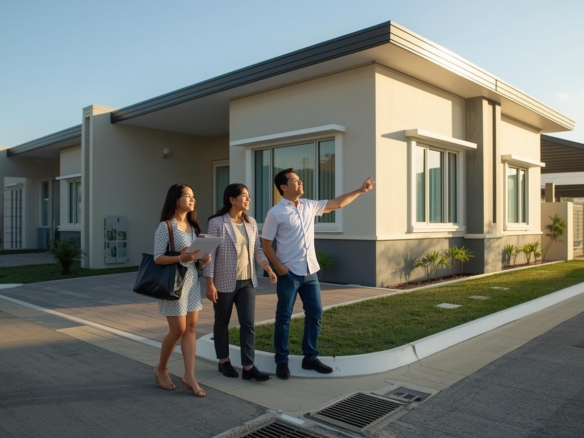
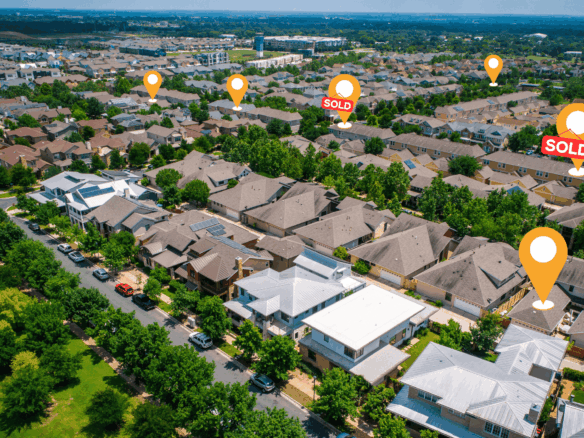
Buying a home is one of the biggest milestones for Filipino families—but it’s also a moment when scammers try to take advantage of excited buyers. From “colorum” (unlicensed) agents to fake titles, advance-fee “reservation promos,” and too-good-to-be-true listings, real estate scams can cost you hundreds of thousands of pesos—or the entire property you thought you owned.
This guide breaks down the most common scam patterns in the Philippines, the red flags to watch for, and a clear, step-by-step process to protect yourself. Whether you’re shopping in Bulacan subdivisions or exploring pre-selling projects across nearby cities, these checks will help you verify people, properties, and paperwork—before any money leaves your hands.
What Is a Real Estate Scam?
A real estate scam is any deceptive practice that misleads a buyer or investor to gain money, property, or personal information. In the Philippine context, typical schemes include:
- Unlicensed selling: A “freelancer” or “referral person” posing as a salesperson or broker without PRC license or without being affiliated with a licensed broker/realty.
- Fake reservation/receipt: Collecting “reservation fees” or “processing fees” and then disappearing—or issuing unofficial receipts.
- Title fraud: Selling mortgaged, double-sold, or fake-titled land; using forged or outdated documents.
- Pre-selling pitfalls: Misrepresenting project permits, timelines, unit deliverables, or developer legitimacy.
- Bait-and-switch listings: Posting unrealistically low prices to lure buyers, then upselling to a different unit/lot or location.
Key truth: In the Philippines, only PRC-licensed real estate brokers may directly sell or duly accredited salespersons may sell under a licensed broker’s supervision. Anyone selling without these requirements is operating illegally (“colorum”).
Why It Matters in Bulacan Real Estate
Bulacan is a hotbed of suburban growth—thanks to infrastructure like NLEX, the upcoming MRT-7, and new township developments—so listings spread fast through Facebook groups and private messages. That speed attracts opportunists.
Specific Bulacan risks:
- Pop-up “flyers” and DMs offering “limited-time reservation” with GCash-only payment.
- Unclear project documents for pre-selling subdivisions outside major developers.
- Lot-only resales with unverified titles or boundary disputes (e.g., misaligned lot plans vs. actual site).
The good news? With a disciplined verification routine, you can separate legitimate opportunities from risky ones.
How to Avoid Real Estate Scams (Step-by-Step)
1) Verify the People
- Ask for IDs and accreditation
- Salesperson: Must be accredited under a PRC-licensed broker. Get the broker’s full name and PRC license number.
- Broker: Ask for PRC ID and PTR/validations (or at least proof of current license status).
- Cross-check reputations
- Search the broker/agency online, check official website pages, and look for consistent contact numbers and office address.
- Communication test
- Legit teams use official emails, issue proper forms, and are transparent with process and fees.
2) Verify the Project or Property
- Developer legitimacy (for pre-selling)
- Ask for project permits, license to sell (LTS), development permit, and advertising permit copies.
- Match the project name, location, and phase numbers on all documents.
- Title and tax checks (for house & lot / lot-only)
- Secure a Certified True Copy (CTC) of Title from the Registry of Deeds.
- Check Encumbrances (mortgage, liens, adverse claims).
- Ask for latest Real Property Tax receipts and Tax Declaration.
- Site tripping and boundary validation
- Conduct an on-site tripping with the broker/agent.
- For lots, verify monuments and consider a geodetic engineer for boundary confirmation if needed.
3) Verify the Prices, Promos, and Fees
- Official computation
- Get a Computation Sheet with TCP (Total Contract Price), down payment, reservation fee, monthly amortization, and itemized closing costs.
- Receipt discipline
- Only pay to official payees (developer or broker’s registered company).
- Request official receipts (OR) or acknowledgment receipts with complete details.
- “Too good to be true” filter
- Extreme discounts, “no reservation today but unit is yours,” or pressure to “pay now via e-wallet” are classic red flags.
4) Verify the Paper Trail
- Reservation Agreement: Must state unit/lot info, TCP, fees, and clear refund/forfeiture rules.
- Contract to Sell (CTS): Review timelines, penalties, deliverables (turnover specs), and default clauses.
- Deed of Absolute Sale (DOAS): Only after full payment or bank loan takeout; ensure accurate technical description.
- Mortgage/Loan documents: Confirm lender, terms, and disclosure of all charges.
5) Use Safe Payment Channels
- Prefer developer cashiers, bank deposit to official accounts, or escrow-like arrangements when available.
- Avoid sending to personal e-wallets unless it’s a token amount clearly covered by an official receipt from the company.
6) Keep Copies and Confirmations
- Save scanned copies of IDs, permits, receipts, contracts, and email trails.
- After each payment or document step, ask for a written confirmation (email or signed memo).
7) When in Doubt, Pause
- Ask for 24–48 hours to seek a second opinion—from a licensed broker not connected to the sale, a real estate lawyer, or your bank’s home loan officer.
Expert Tips from bulacanhomes
- Do a PRC check before you tripping.
Ask for the salesperson’s accreditation and broker’s full PRC details before you schedule site viewing. Colorum agents resist paperwork. - Never pay a “reservation” without a unit/lot reference.
Your reservation agreement must include project, phase/block/lot, price breakdown, and refund/forfeiture rules. - For pre-selling, the License to Sell (LTS) is non-negotiable.
No LTS? Treat it as high risk. Advertising permits alone are not enough. - Watch for “switching.”
Some sellers will show a nice model unit but make you sign for a different facing, smaller lot cut, or “variance.” Always verify the exact unit. - Use banks and Pag-IBIG as sanity checks.
If financing is realistic and documents are legit, banks and Pag-IBIG usually proceed after their own appraisal and legal review—use that process to your advantage. - In Bulacan, verify access and flooding.
Check road right-of-way, drainage, and LGU flood advisories. A bargain price can hide site risks that derail your loan approval or resale potential.
FAQs About Avoiding Real Estate Scams
Is it legal for a “referral agent” to sell me a property?
Only PRC-licensed brokers and accredited salespersons (under a broker) may sell. Referral-only persons can introduce you, but money and contracts should be handled by licensed professionals and official entities.
What documents should I ask for before paying a reservation fee?
At minimum: broker/salesperson IDs, LTS (for pre-selling), unit availability sheet, Computation Sheet, and a formal Reservation Agreement with the correct project and unit details.
How do I know if a land title is clean?
Request a CTC of Title, read the Encumbrances section, and match the Tax Declaration and Real Property Tax receipts. When unsure, consult a real estate lawyer or the Registry of Deeds.
Are Facebook listings reliable?
They can be—but verify the seller’s license, developer documents, and only transact through official accounts with ORs. Treat DMs asking for immediate GCash payments as red flags.
Can I recover money from a scam?
File complaints with appropriate authorities (e.g., your local police, NBI, and consumer protection units). Keep all proofs of payment, chat logs, and IDs. Recovery is not guaranteed, so prevention is crucial.
People Also Ask
What licenses should a legitimate property seller have?
A legitimate seller is either a PRC-licensed broker or an accredited salesperson under a licensed broker. Ask for IDs and verify before any payment. Keep copies of all documents.
How do I verify a subdivision’s license to sell?
Request the License to Sell and match its number and project name with your reservation forms. Without LTS, the risk of project or turnover issues increases significantly.
What are common red flags in pre-selling?
Unclear LTS status, pressure to reserve “today,” changing unit assignments, and payments routed to personal accounts are common red flags. Always demand official receipts.
Should I hire a lawyer for contract review?
If the TCP is significant or clauses feel complex, a real estate lawyer can review the Contract to Sell and protect you from hidden penalties or unfair terms.
Explore Related Topics on Bulacanhomes
- How to Verify a Real Estate Broker in the Philippines
- Buyer’s Due Diligence Checklist for First-Time Homebuyers
- Contract to Sell vs. Deed of Sale: What’s the Difference?
- Title Transfer & Taxes in the Philippines: Step-by-Step Guide
- Pag-IBIG vs Bank Financing for Bulacan Homebuyers
- Homebuyer’s Guide to Reservation Fees (and Official Receipts)
- Tripping Guide: What to Check Before You Reserve
Sources & References
- Department of Human Settlements and Urban Development (DHSUD) – consumer advisories & licensing guidance.
- Professional Regulation Commission (PRC) – real estate service professionals licensing framework & verification.
Conclusion
Avoiding real estate scams in the Philippines starts with verifying people, projects, and paperwork—and refusing to be rushed. Protect your savings by insisting on PRC-licensed professionals, checking project permits and titles, and paying only through official channels with proper receipts.
Ready to find your dream home in Bulacan? Contact bulacanhomes for free tripping assistance and document verification support. We’ll help you buy safely and confidently.
About bulacanhomes:
bulacanhomes.com is your trusted online guide for real estate, homebuying tips, and community insights in Bulacan.
This article is an original publication of bulacanhomes.com.
Copying or reposting without credit is strictly prohibited.